

Along Saudi Arabia’s Shores: Swells, Reefs, and Serene Islands
Beyond Jeddah’s horizon and the immense getaways crowning the shores of the Red Sea, Saudi Arabia’s coastlines speak a language that is older and more elemental. As the Kingdom’s urban development continues to expand at speed, long stretches of its 3,400-kilometre shoreline remain closely tied to reef systems, currents and prevailing winds. Shaped not by stone or clay, as with Saudi Arabia’s historic villages, these coastal landscapes preserve centuries of maritime life, local knowledge and regional identity.
Stretching along the Red Sea to the west, the Arabian Gulf to the east, and touching the Gulf of Aqaba in the northwest, Saudi Arabia’s shores open onto endless white sand beaches, island chains, shallow lagoons and gently moving water. Together, they form one of the most diverse marine environments in the region. What follows is an exploration of the kingdom’s most notable coasts from the island-studded waters of Umluj to the family-oriented shores of the Gulf.
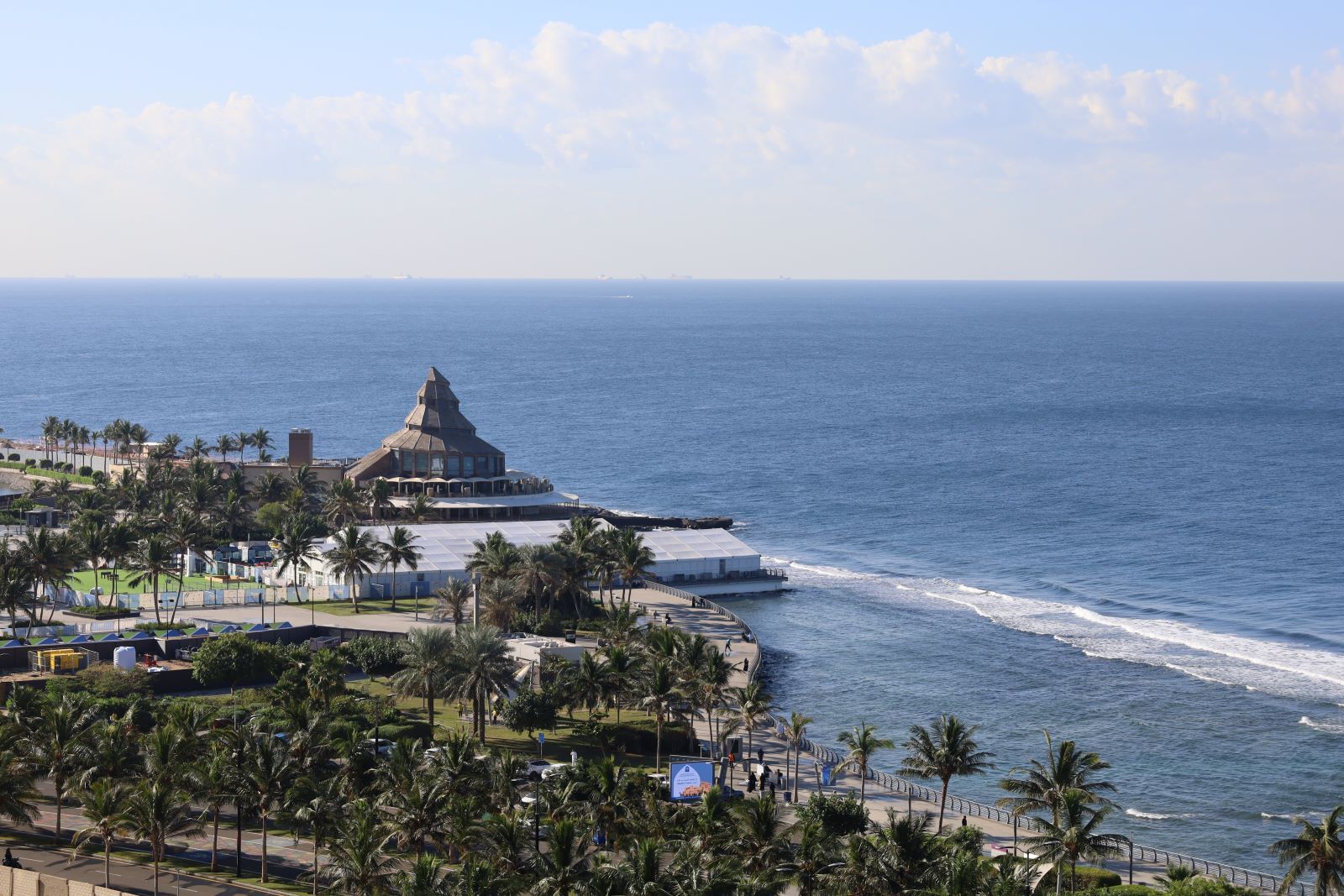
Red Sea Coast – Landscapes forged by Water and Trade
When people picture Saudi Arabia, vast deserts and monumental architecture often spring to mind. Along the coast of the Red Sea, a different picture emerges as the shoreline unfolds and coastal life, long shaped by fishing routes, trade passages and seasonal movement between shore and sea, carries countless stories.
Umluj – Islands, Light and Stillness
Fronting the north-western Red Sea coast, Umluj reveals one of the Kingdom’s most striking coastal environments. The sea here is glassy, shifting in tone from pale turquoise to deep blue, while low-lying islands sit scattered offshore, shaped almost entirely by coral and currents.
Historically associated with fishing and humble maritime life, Umluj remains largely untouched. Time loosens its grip along this stretch of shore, and the experience is, altogether, defined by atmosphere.
Yanbu – Reefs Close to Shore
Further south, Yanbu displays a different coastal charm. Coral reefs lie remarkably close to the shoreline, visible beneath the surface of the still waters. For generations, these reefs sustained fishing communities and passing vessels that moved between the Red Sea and inland routes.
Today, Yanbu is known for its organised beaches and accessible snorkelling and diving. Narrow stretches of sand lead directly into reef-lined shallows, while the city itself balances modern services with a long-standing relationship to the sea.
Jeddah – A City Woven into the Coast
In Jeddah, the shoreline is inseparable from the city’s day-to-day life. The Corniche runs for kilometres along the Red Sea, offering open views, shaded walkways and gathering spaces that are used well into the evening.
To the north, areas such as Obhur recall Jeddah’s long history as a port city and maritime gateway. Yachts and private resorts sit alongside established coastal districts, an environment best known for water sports and recreational boating.
Saudi Arabia’s Islands – Largely Untouched Marine Landscapes
Beyond the mainland, a number of Saudi Arabia’s islands remain deeply intact, shaped far more by ecology than development.
Farasan Islands – The South’s Hidden Pearl
Off the coast of Jazan, the Farasan Islands form a low-lying archipelago surrounded by rare coral reef systems and nutrient-rich waters. Shaped over generations by fishing and pearl diving, the islands retain a strong connection to traditional maritime life.
Mangroves line parts of the coast, marine species are abundant, and the sense of isolation is pronounced. The Farasan Islands offer one of the clearest windows into Saudi Arabia’s coastal ecosystems.
Red Sea Tourism Islands
Along parts of the Red Sea, select islands are now being reintroduced as destinations through carefully controlled development. Architecture remains low, access limited, and natural features largely preserved.
Rather than reshaping the landscape, these projects are designed around it, allowing reefs, beaches and natural contours to remain central. The result is a form of coastal tourism rooted in restraint and long-term preservation.
The Red Sea Project – A Turning Point in Coastal Tourism
Stretching across a vast section of the western shoreline, the Red Sea Project marks a shift in how Saudi Arabia approaches coastal development, with a clear emphasis on environmental protection and sustainability. Encompassing dozens of islands and largely untouched beaches, significant areas remain off-limits.
Within this framework, the project brings together internationally branded resorts, private beaches, dedicated diving facilities and areas set aside for observing marine life. Shaped around privacy and natural integrity, it has quietly boosted Saudi Arabia’s profile as a maritime destination, placing it in dialogue with some of the world’s most established coastal landscapes.
Arabian Gulf Coast – Calm Shores for Everyday Life
On the eastern side of the Kingdom, the Arabian Gulf presents a different coastal rhythm, defined by gentler waters and long-established urban communities.
Al Khobar – A Coastline for Daily Living
Al Khobar’s waterfront is shaped by ease, accessibility and family-oriented beaches. Promenades, green spaces and sheltered beaches support walking, family gatherings and casual outdoor life.
Jubail – Planned Shores, Practical Design
In Jubail, the coastline reflects modern planning and infrastructure. Beaches are clean, organised and designed for regular use, with facilities that support families and local visitors.
Living with the Sea – Activities Rooted in Place
Across Saudi Arabia, coastal life supports a wide range of activities, many of which echo long-standing relationships with the sea:
- Diving and snorkelling among coral systems of regional ecological significance
- Fishing trips shaped by traditional maritime knowledge
- Sailing and boating along historic coastal routes
- Beachside camping and evenings spent watching the light fade over the water
This breadth has allowed Saudi Arabia’s coastal destinations to speak to a wide range of visitors, from families to those drawn by adventure and more considered forms of luxury.
A Coastline Looking Forward While Remaining Intact
Saudi Arabia’s beaches are undergoing rapid change, marked by expanding infrastructure and the steady development of tourism services. This shift is accompanied by an increasing attention to environmental care. In the same breadth, the Kingdom is working to strike a careful balance between opening its shores to visitors and safeguarding their natural character.
All told, Saudi Arabia’s beaches and maritime destinations represent a genuine natural and tourism asset, shaped by coastal beauty and an evolving approach to development. From Umluj, Yanbu and Jeddah, to Al Khobar and Jubail on the Arabian Gulf, and out towards largely untouched islands and emerging Red Sea projects, these coastlines reveal the breadth and complexity of Saudi Arabia’s relationship with the sea.