

Saudi Capital Market Opens Direct Access to Non-Resident Foreign Investors
Saudi Arabia has announced a landmark regulatory change allowing non-resident foreign investors to access its equity market directly, representing one of the most consequential shifts in the history of the Kingdom’s capital markets. The move forms part of a broader regulatory modernisation programme led by the Capital Market Authority, aimed at enhancing market efficiency, broadening the investor base, and reinforcing the global positioning of Tadawul as a major international exchange.
This development represents a decisive step towards deeper integration of Saudi Arabia’s financial system with global capital markets and aligns with long-term economic diversification objectives.
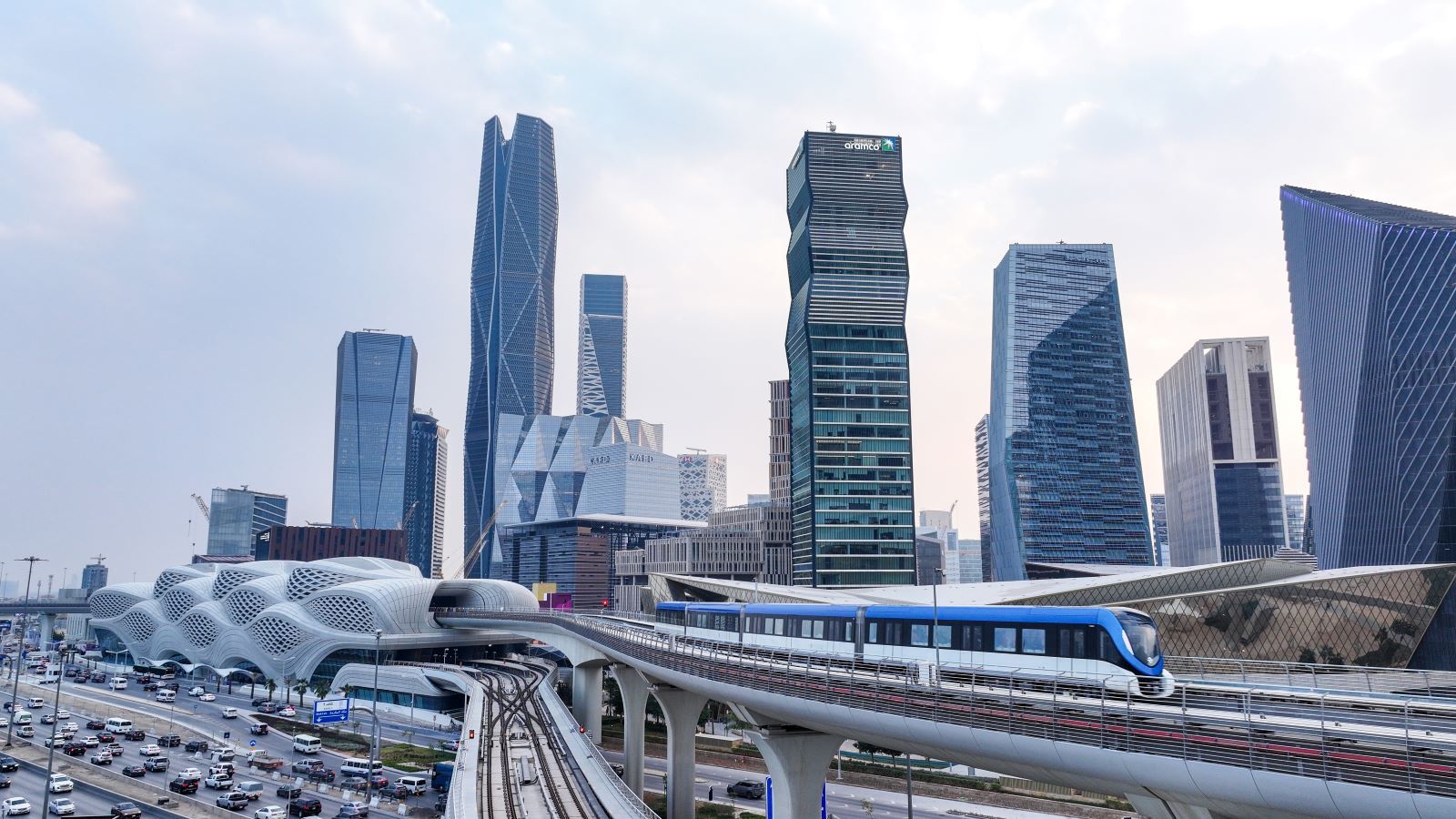
Regulatory Change and Market Access
Effective from February 2026, foreign investors of all categories, including those without residency in Saudi Arabia, are permitted to invest directly in equities listed on the main market (Tadawul). The policy change removes the long-standing requirement for foreign investors to qualify as Qualified Foreign Investors (QFIs), a designation that previously imposed minimum asset thresholds and extensive eligibility assessments.
In effect, the Saudi equity market is now open to:
- Foreign individuals and institutions investing from outside the Kingdom.
- Direct ownership of listed shares, without reliance on indirect instruments or swap-based structures.
- A significantly expanded global investor base, strengthening cross-border capital flows.
Institutional and Regulatory Framework
The measures are underpinned by formal amendments to capital market regulations approved by the Capital Market Authority. Key elements include:
- The elimination of QFI classification and associated eligibility criteria.
- Authorisation of direct share ownership without the use of derivative-based access mechanisms.
- Harmonisation of foreign and domestic investor onboarding procedures, including account opening and trading.
Regulatory safeguards remain in place, including:
- Foreign ownership caps in selected strategic sectors.
- Continued enforcement of anti-money laundering and counter-terrorist financing regulations.
- Disclosure and corporate governance standards aligned with international norms.
Definition of a Non-Resident Foreign Investor
A non-resident foreign investor is defined as an individual or legal entity that does not hold residency in Saudi Arabia and participates in the Saudi capital market from outside the Kingdom through a locally licensed financial intermediary.
Under the revised framework, such investors may:
- Buy and sell shares listed on the main market.
- Pursue long-term investment strategies or engage in short-term trading activity.
- Repatriate capital and investment returns in accordance with applicable regulations.
Market Scale and Context of the Change
To fully appreciate the significance of the change, it is necessary to consider the scale of the Saudi equity market itself.
Tadawul’s market capitalisation has surpassed SAR 10 trillion, making it the largest exchange in the Middle East and one of the ten largest globally by value. Foreign investor holdings had already exceeded USD 100 billion prior to full market opening, while foreign ownership represented approximately 4.5%–5% of total market capitalisation by the end of 2025.
The Saudi market includes more than 220 listed companies across a broad range of sectors, including energy, banking, telecommunications, insurance, healthcare, manufacturing, and technology and services.
These figures demonstrate that the market was already attracting substantial foreign interest before the policy change, reinforcing expectations of increased capital inflows following full liberalisation.
Policy Rationale and Strategic Objectives
The decision reflects a clearly articulated policy direction aligned with a set of national strategic priorities.
Support for Vision 2030 objectives
Opening the equity market strengthens the role of the financial sector as a catalyst for economic diversification and reduces structural dependence on hydrocarbons as a primary driver of growth.
Enhancement of market liquidity and depth
An expanded investor base is expected to increase market liquidity, support more efficient price discovery, and contribute to the moderation of excessive volatility.
Reinforcement of Saudi Arabia’s position in global capital markets
Full foreign market access strengthens Tadawul’s standing within global emerging market frameworks commonly referenced by major index providers and enhances its accessibility to international institutional asset managers.
Attracting long-term capital
Non-resident foreign investors typically adopt longer-term, institutionally driven investment strategies, supporting market stability and the development of a more resilient shareholder base.
Investor Entry Process and Market Participation
Market access for non-resident foreign investors has been simplified to its most straightforward form.
Investors may now select a Saudi-licensed financial intermediary, open an investment account in line with standard know-your-customer (KYC) requirements, transfer funds through authorised banking channels, and begin trading directly on the main market.
The process no longer requires:
- Special regulatory approvals.
- Complex investor classifications.
- Indirect investment structures or intermediary vehicles.
Sectors Attracting Foreign Investment
Based on recent market dynamics, several sectors continue to attract foreign interest:
- Banking, due to its resilience and strong profitability.
- Energy and petrochemicals, given their linkage to global economic cycles.
- Telecommunications and technology, supported by digital transformation initiatives.
- Healthcare, driven by demographic growth and sustained public spending.
- Sectors linked to major national projects, including tourism, entertainment, and infrastructure.
Risk Considerations
Despite the positive outlook, the Saudi equity market remains subject to a range of external and structural risks, including global market volatility, movements in interest rates and energy prices, and broader geopolitical factors.
Regulatory authorities continue to emphasise prudent investment practices, portfolio diversification, and thorough review of financial disclosures before investment decisions are made.
A New Phase for the Saudi Capital Market
Today marks a meaningful milestone in the development of the Saudi capital market, with the opening of direct access to non-resident foreign investors. The change reflects a clear vote of confidence in the resilience of the Saudi economy, the credibility of its regulatory framework, and the increasing sophistication of its investment environment.
By broadening access and removing long-standing barriers to participation, the market is positioned to deepen liquidity, support more efficient capital allocation, and strengthen its role within global capital flows. The revised framework is expected to encourage wider international participation while reinforcing the foundations of a transparent and well-regulated market.
With a clear framework now in place, significant market scale, and a diverse universe of listed companies, the Saudi capital market is entering a new phase of development. This phase is defined by greater openness, growing institutional maturity, and an enhanced international profile, underlining Saudi Arabia’s long-term commitment to building a resilient, globally connected financial ecosystem.