

Saudi Vision 2030 at Ten: A Decade of Transformation
Ten years ago, Saudi Arabia launched one of the most ambitious national transformation programmes in modern history. Vision 2030 was conceived not merely as an economic reform plan, but as a wholesale reimagining of the Kingdom's identity and a bold declaration that Saudi Arabia's future would be defined by far more than its oil reserves.
A decade on, the numbers tell a compelling story.
The Vision and Its Foundations
When Vision 2030 was unveiled in 2016, its architects set their sights on transforming Saudi cities into world-class destinations for culture, arts, entertainment, industry, and technology. Several landmark megaprojects were announced to anchor this ambition: NEOM, the futuristic city that has come to symbolise the Vision's most audacious aspirations; The New Murabba, which is reimagining central Riyadh entirely; Qiddiya, destined to become a global capital of entertainment, sport, and culture; and the Red Sea Project, setting an extraordinary new benchmark for luxury hospitality. These large-scale endeavours, or ‘giga projects’ as they have come to be known, represent a fundamental rethinking of what Saudi Arabia is and what it can become.
To underpin these projects, the Kingdom developed a suite of national strategies across the years, covering everything from mining and manufacturing (2018) to real estate and labour markets (2020), logistics and regional development (2021), gaming and e-sports (2022), biotechnology (2024), and privatisation (2025).
A Phased Approach
The Vision unfolds across three five-year phases, each building on the last.
The first phase (2016–2020) was one of construction and foundation-setting: introducing sweeping economic, financial, and social reforms, establishing new institutions, and restructuring the Public Investment Fund (PIF) to serve as the engine of the Kingdom's economic ambitions.
The second phase (2021–2025) shifted focus towards accelerating delivery, launching national strategies across key sectors and continuing to build the institutional frameworks put in place during the first phase.
The third and final phase (2026–2030) will concentrate on consolidating the gains achieved, with a firm eye on long-term sustainability and securing Saudi Arabia's place among the world's leading nations.
The Economic Picture
The headline figures are striking. Saudi Arabia's GDP reached $1.31 trillion by the end of 2025, supported by annual growth of 4.5%, the highest rate recorded in three years. This was driven overwhelmingly by the expansion of non-oil activities. Unemployment among Saudi nationals has fallen sharply, from 12.3% in 2016 to 7.2% by the close of 2025, reflecting the success of labour market reforms and the growing role of the private sector. Inflation, meanwhile, has remained reassuringly stable at 2.0%, a sign of sound and balanced economic stewardship.
The private sector now contributes 51% of GDP, and non-oil exports have reached a record 622.87 billion Saudi riyals, compared with just 242.56 billion riyals when the Vision was launched. Foreign direct investment has risen to $35.5 billion, and the PIF's assets have quadrupled to a remarkable $909 billion. Women's participation in the workforce has climbed to 35%, and some 8.88 million people are now employed within small and medium-sized enterprises, which themselves contribute nearly 23% of GDP.
Renewable energy capacity has undergone perhaps the most dramatic transformation of all, rising from essentially nothing in 2016 to 64 gigawatts by the end of 2025.
Society and Culture
Vision 2030 has always understood that economic transformation without social renewal is incomplete. On that front, progress has been equally noteworthy.
66.24% of Saudi families now own their own home. Healthcare services reach 97.5% of populated areas. Umrah arrivals from abroad reached 18.03 million in 2025, and tourism now contributes 5% of GDP. Eight Saudi heritage sites have been inscribed on UNESCO's World Heritage List - meeting the 2030 target ahead of schedule - and three Saudi universities have broken into the global top 200. The Kingdom has also established itself as a serious force in e-sports, having hosted the inaugural World Esports Cup.
Governance and Global Standing
Under the "Ambitious Nation" pillar of the Vision, Saudi Arabia has made particularly eye-catching advances in digital governance. The Kingdom has risen from 46th to 1st place in the Global Cybersecurity Index, and climbed 25 places in the United Nations' E-Government Development Index to reach 6th globally, a remarkable achievement by any measure.
Looking ahead, the Kingdom is preparing to host the AFC Asian Cup in 2027, Expo 2030, and the 2034 FIFA World Cup: a trio of global events that will further cement its standing on the world stage.
Hospitality and Real Estate
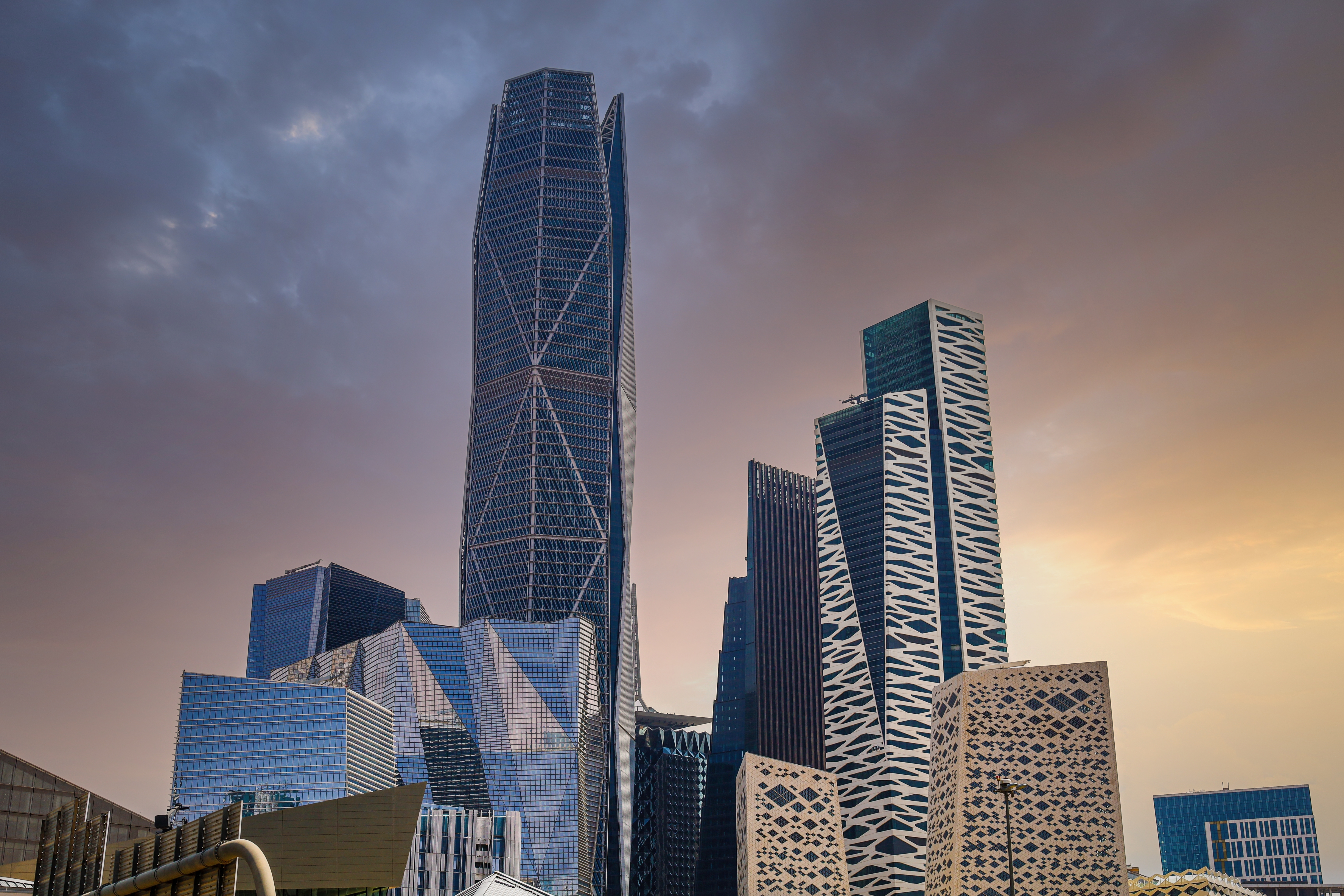
The Vision has also reshaped Saudi Arabia's property and hospitality landscape. From the luxury resorts of the Red Sea coastline to the ambitious King Salman Park in Riyadh, which is one of the most ambitious urban projects anywhere in the world, and the sweeping Jeddah Waterfront development, international standards of design, sustainability, and refinement are now being applied across the Kingdom.
Looking Forward
Of 1,290 active Vision initiatives, 935 have been completed since launch, with a further 225 progressing precisely on schedule. Overall, Vision performance indicators have met their annual targets at a rate of 93%, with many either surpassing those targets or approaching them at between 85% and 99% completion.
What these figures ultimately reflect is an ability to deliver on grand ambitions. Vision 2030 was always about more than a ten-year plan; it forms the foundation upon which Saudi Arabia intends to build every policy and national strategy that follows. When 2030 arrives, the Vision will not so much conclude as transform, becoming the bedrock of a society and economy that is more open, more diverse, and more resilient than the one it set out to change.