

Saudi Arabia Approves Executive Regulations for Non-Saudi Real Estate Ownership
Saudi Arabia's Council of Ministers has approved the executive regulations governing non-Saudi real estate ownership, along with the designated geographic zones in which ownership is permitted, as set out in official maps identifying specific areas and locations within cities and governorates across the Kingdom. The ownership framework forms part of an updated regulatory structure designed to broaden opportunities for property ownership and investment by non-Saudis, within clearly defined legal parameters and approved geographic boundaries.
Categories Covered by the Regulations
The categories of buyers and entities permitted to own property under the relevant regulatory controls are as follows:
- Individuals residing in Saudi Arabia
- Individuals holding Premium Residency status
- Individuals based outside Saudi Arabia
- Citizens of Gulf Cooperation Council member states
- Non-Saudi companies and non-profit entities
- Saudi companies with foreign ownership
- Listed and unlisted foreign companies
General Ownership Controls
Under the regulations, a non-Saudi resident in the Kingdom is permitted to own a single residential property outside the designated geographic zones, subject to the applicable regulatory controls and requirements. Companies in which one or more non-Saudi shareholders hold a stake may own property within the designated geographic zones, depending on the nature of their activity, the location of the property, and the specific requirements applicable to each zone.
Makkah and Madinah are subject to special controls that reflect the religious character of both cities. The right to own or benefit from property in either city is restricted to categories specifically permitted under the regulations, in accordance with the executive regulations and the approved geographic zones.
The Verification and Application Process
Before initiating any ownership process, two essential factors must be confirmed: the eligibility of the buyer or investor to own property, and the eligibility of the relevant property within the approved geographic zones.
Those seeking to purchase may consult the Saudi Properties portal, the official gateway for Saudi Arabia's non-Saudi property ownership system, to view the approved geographic zones and verify the details of each zone, including ownership ratios, the type of property rights, permitted durations, and any additional controls.
For residents within the Kingdom, verification and application procedures are completed digitally through the portal using official identity credentials. For non-residents, the process typically begins with completing digital identity requirements through the relevant official channels before submitting an ownership application via the portal.
Once personal eligibility and geographic zone eligibility have been confirmed, residents within the Kingdom may apply directly through the Saudi Properties portal using their residency number, with automated verification of regulatory requirements and full digital completion of procedures. Non-residents begin their journey through Saudi embassies and consular offices abroad to obtain a digital identity, before proceeding to complete their ownership application via the portal.
The Designated Geographic Zones
The approved geographic zones encompass a number of major projects, economic zones, and principal cities across the Kingdom, as detailed in the official maps published through the Saudi Properties portal.
Among the major projects included in the designated zones are NEOM, The Red Sea, and Amaala.
The zones also cover a number of cities and special economic zones, including King Abdullah Economic City, the Jazan Special Economic Zone, and the Ras Al-Khair Special Economic Zone.
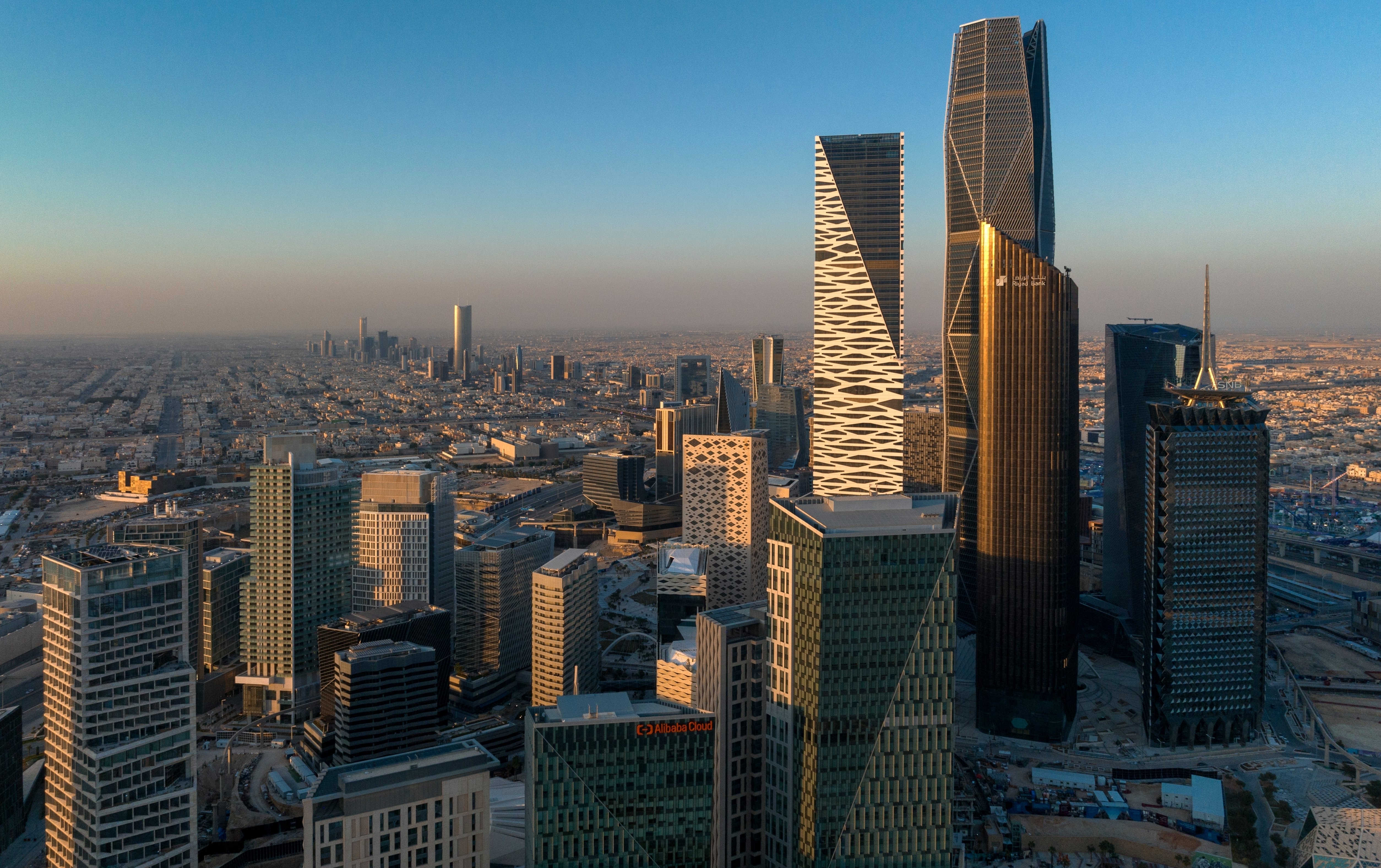
In Riyadh, the designated zones include a number of strategic projects and areas, among them Qiddiya, The New Murabba, Diriyah Gate, King Salman Park, the King Abdullah Financial District (KAFD), the Sports Boulevard, the Arts District, and King Salman International Airport.
In Jeddah, the designated zones encompass Jeddah Central, Uptown, Al Aroos, and a number of other specific development areas within the city as shown on the official map.
In Makkah, the approved zones include a number of projects and development areas, among them King Salman Gate, Jabal Omar, Abraj Makkah, Thakher Makkah, Massar, Tilal Village, Al Manar, Ajyad Tower, and other designated development zones within the city.
In Madinah, the designated zones include development projects and areas such as Downtown Madinah, Ruya Al Madinah, Dar Al Hijra, Mishraf, Al Mahwa, Al Ghurra, and other development zones identified on the official map.
The Significance of the Decision for the Property Market
The approval of the executive regulations and geographic zones represents an important regulatory milestone in the development of the Saudi property market and in strengthening its appeal to international investors. The framework is expected to support the targets of Saudi Vision 2030 by advancing economic openness, raising market efficiency, and stimulating demand for property across the cities, projects, and zones it covers, whilst preserving the regulatory controls and the religious, cultural, and social character of the Kingdom.
Consulting the Saudi Properties portal and the relevant official authorities remains an essential first step for verifying eligibility, zone details, property rights, and ownership ratios before making any investment or purchasing decision.